

HARDWOOD FLOOR REFINISHING SERVICE IN WESTPORT, CT
Serving Connecticut and surrounding areas.
Or reach us out at 203-767-1995 for a free consultation
Your Floors Aren't Done Yet
You've stood in your living room and noticed it, the dull patch by the hallway, the spot where the dog always lies down, the shine that used to be there and quietly isn't anymore. You've cleaned it more times than you can count. It's not dirt. The floor just needs the right hands on it again.
A natural water-based hardwood floor refinish starts around $3.50 per square foot and takes just 2 to 3 days, custom stain colors or oil-based finishes can go up to $10 per square foot and closer to 5+ days for full cure. That beautiful hardwood you fell in love with is still under there. Eastwood Group has refinished hardwood throughout Westport and Fairfield County for 10+ years with over 1,000 projects of expertise.
Call us at 203-767-1995 and we'll come take a look. No charge, no obligation, just a straight answer about what it takes to bring them back.
-
![Hardwood floor staining process in Westport CT]()
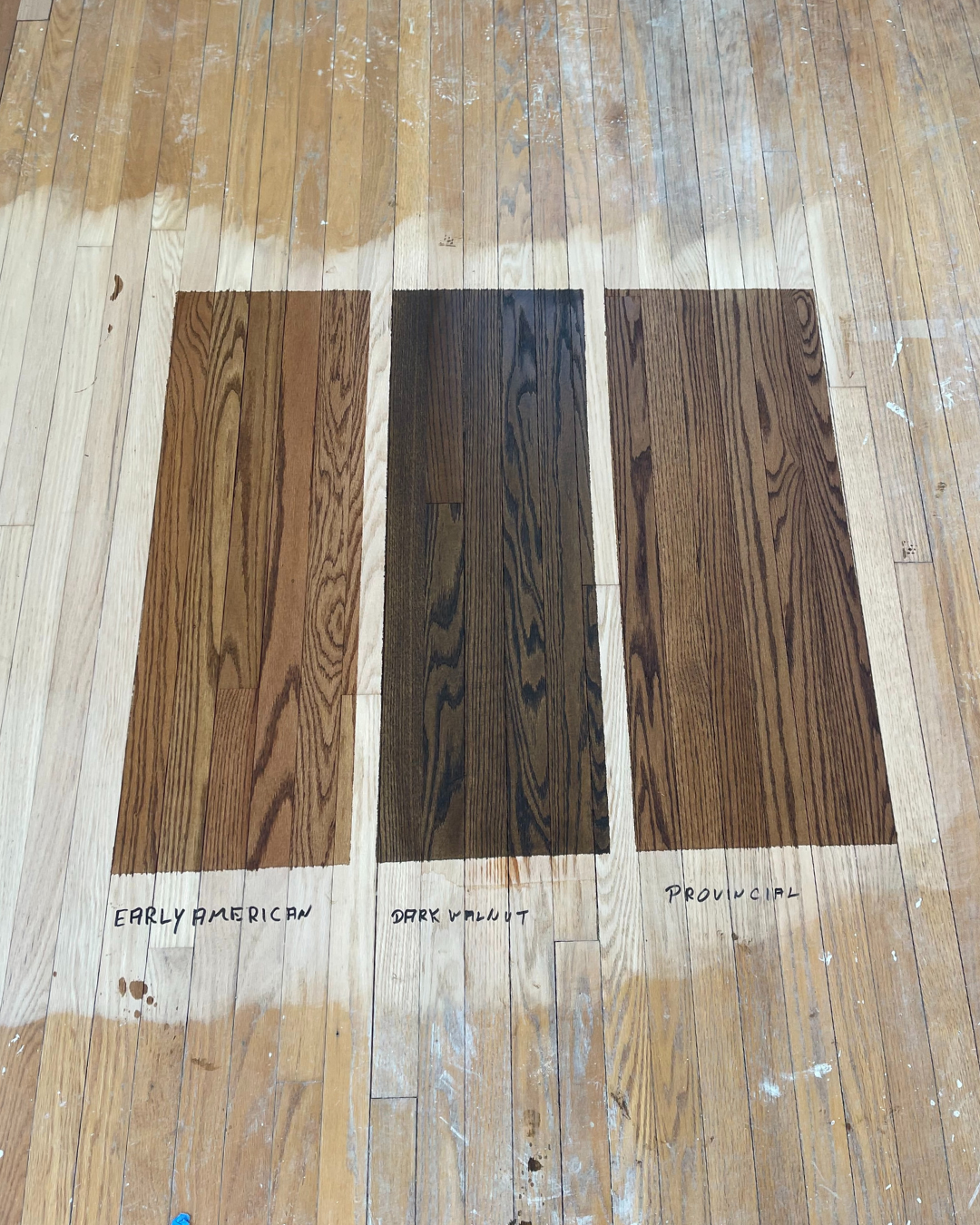
Hardwood floor Staining
Change or refresh the tone of your floors entirely. We bring samples to your home so you can see exactly how each color looks before we start.
-
![Water based floor finish in Westport CT]()
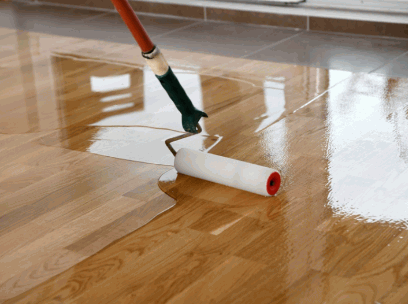
Water Based Finish Coating
Dries faster, stays crystal clear, and has low VOC. Ideal for families who want to get back on their floors quickly without sacrificing durability.
-
![Oil Based Application in Westport CT]()
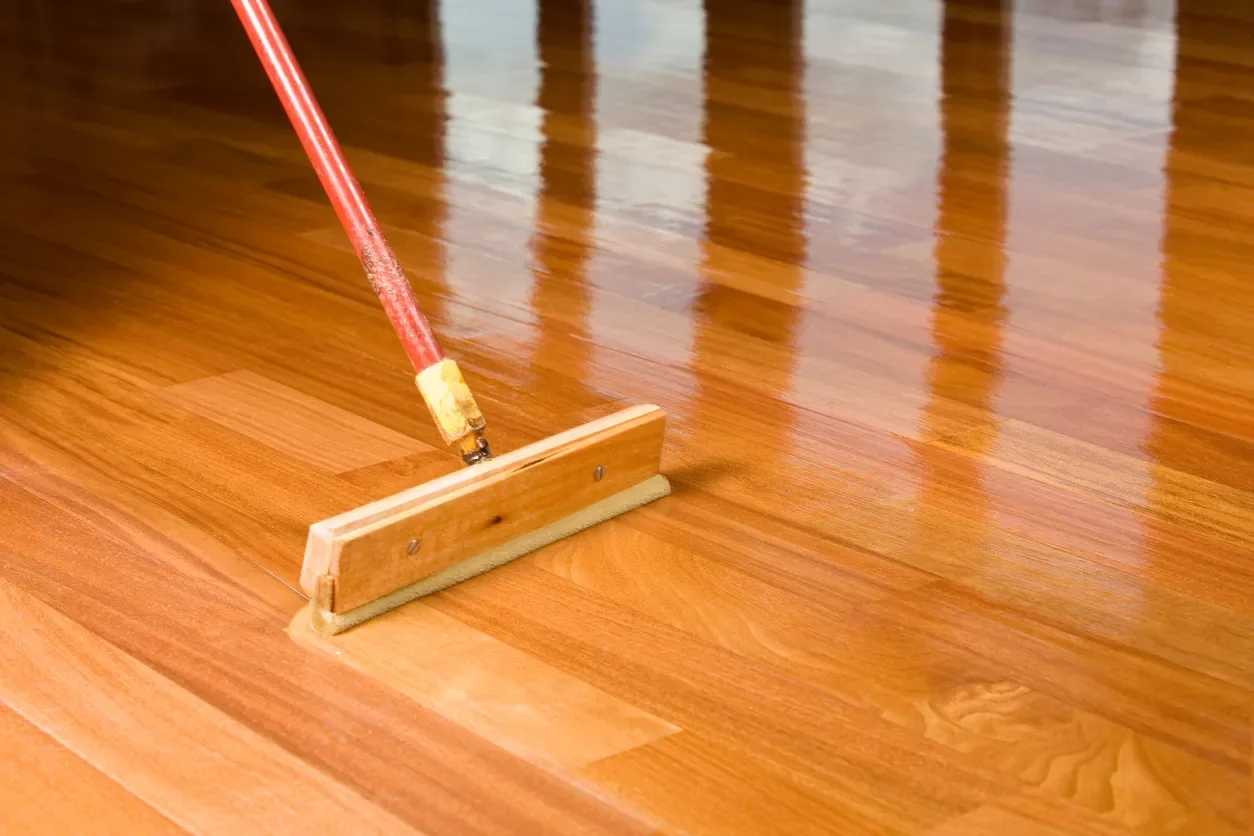
Oil Based Finish Coating
Delivers a warm, rich amber tone with exceptional depth. Takes longer to cure but produces a classic hardwood look many Connecticut homeowners prefer.
-
![Dust contaiment sanding process in Westport CT]()
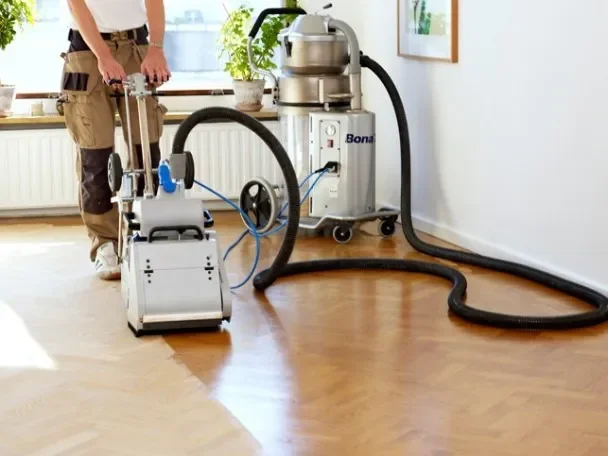
Dust Containment Systems
We capture the vast majority of sanding dust before it spreads. Your furniture, air, and daily routine stay as undisturbed as possible while we work.
-
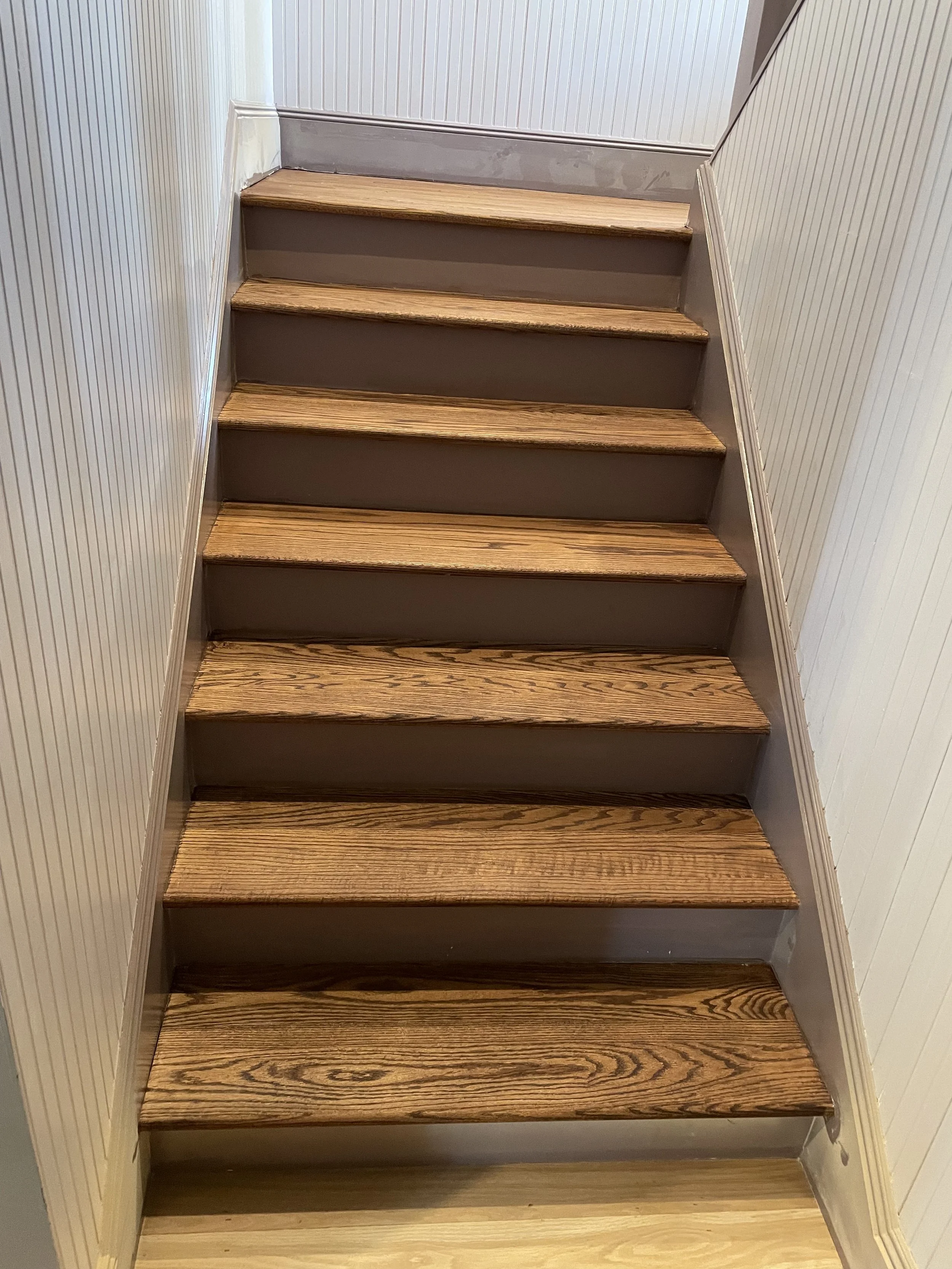
![Stair-sanding-refinishing-project]()
Stair Sanding
Opaque, scratched and worn-out treads are bothering you? With our stair sanding and refinishing process your stair treads will look brand new again.


Licensed Floor Refinishing Service in Connecticut and surrounding areas.
HIC License # 0644251
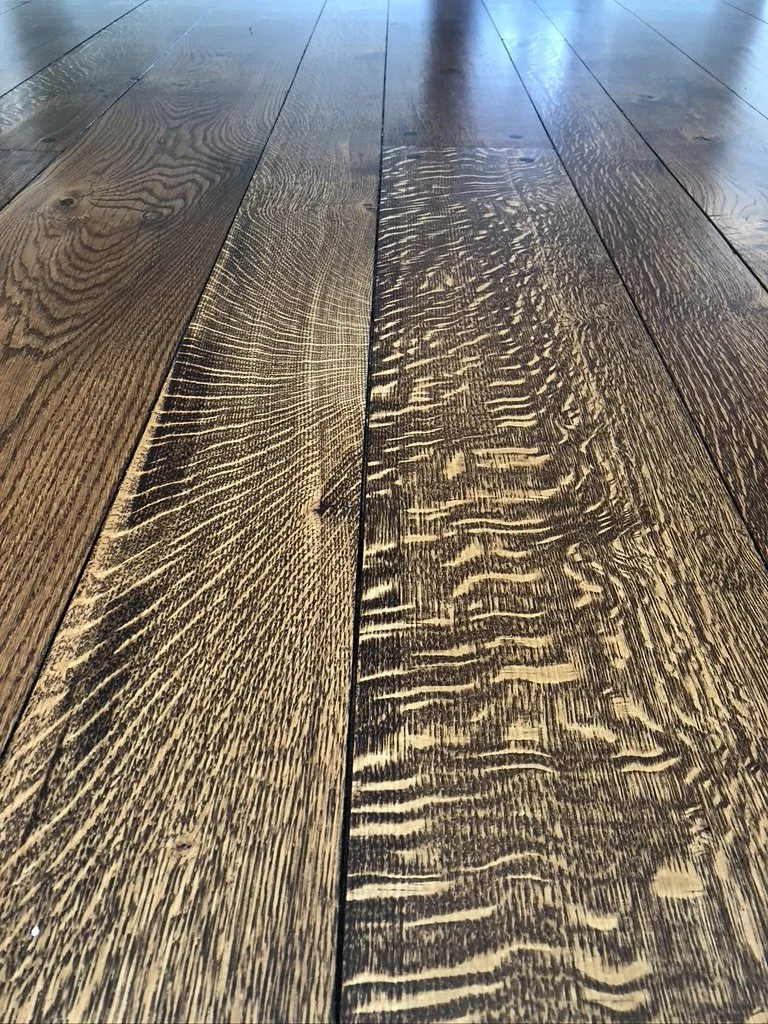
Bring Worn Hardwood Floors Back to Life
Hardwood floors can last for generations, but the finish protecting them does not.
Over time, daily traffic, pets, furniture movement, sunlight, and moisture exposure leave floors scratched, dull, faded, or uneven in color. Many homeowners assume replacement is the only option. In reality, professional refinishing can restore the look of solid wood at a fraction of the cost of installing new flooring, and in Westport, where a lot of the housing stock is genuinely old, the wood underfoot is often better than anything you'd buy to replace it.
We refinish existing hardwood with clean sanding methods, expert stain work, and durable protective finishes, throughout Fairfield County, Westport, New Canaan, Darien, and surrounding Connecticut areas.

ORIGINAL & ANTIQUE HARDWOOD FLOORS
Westport has some of the oldest housing stock in Fairfield County. The homes around Old Hill and the Kings Highway North historic district — many dating to the Revolutionary and Victorian eras, alongside the early-1900s Colonial Revivals scattered through town — often sit on original hardwood that's been down for a century or more.
That old wood is worth saving. Floors from that era were frequently laid in species, board widths, and hand-fit detail you can't buy off a rack today, and the patina underneath decades of old finish is the kind of thing new flooring spends years trying to imitate. Refinishing brings it back; replacing it throws it away.
Refinishing an original floor is not the same job as refinishing a ten-year-old one, and it shouldn't be treated like it:
Remaining thickness matters more. Old floors may have already been sanded once or twice in their life, so we measure what's left before committing to a full sand.
Species and cut change the approach. Older narrow-board oak, chestnut, or heart pine each take stain and finish differently than modern engineered product.
Original character is protected, not erased. Slight variation, older nail patterns, and honest age are features on a period home — we refinish to keep them, not sand them into looking brand-new.
If you're in an older Westport home and you're weighing whether the original floors can be saved, that's exactly the call worth having someone look at in person. In most cases the answer is yes — and it's the better answer.
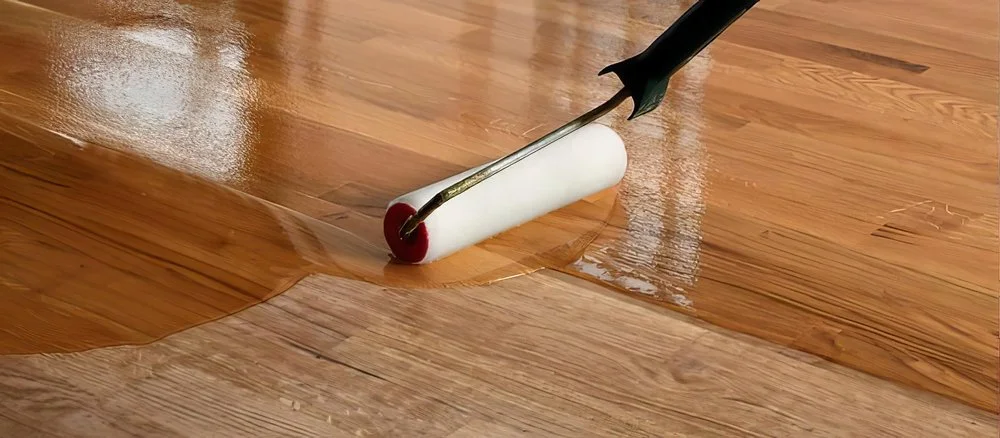
Water-Based or Oil-Based?
Choose water-based if:
- You want your home back fast — most families are walking on it again in a day or two
- You prefer a clear, natural wood tone instead of an amber cast
- Low odor matters, especially with kids or pets in the house
Choose oil-based if:
- You love that warm, golden hardwood look — the classic Connecticut colonial feel
- You're not in a rush and can wait out the longer cure time
- Your wood species looks best with some richness added, not left natural
Our Process Step-by-step
1. We look before we touch anything.
Wood species, current condition, what repairs are needed, what finish you're picturing. This is also when we tell you honestly if refinishing isn't the right call.
2. We prep the space.
Furniture gets moved, trim gets protected, and the room gets set up so the work doesn't bleed into the rest of your house.
3. Sanding, the part that actually matters most.
This is where the old finish comes off, in stages, not one quick pass. Rush this step and everything after it suffers — blotchy stain, uneven sheen, swirl marks you'll notice every time the sun hits the floor.
4. Repairs happen here, not after.
Small gaps, loose boards, minor edge issues — fixed now, before any color or finish goes down, so they don't show through later.
5. Staining, if you're changing the color.
We bring samples to your house first. You see the real color in your real lighting before anything's permanent.
6. The finish goes on.
Multiple coats, the right durability for how the room actually gets used — a mudroom and a formal dining room don't need the same protection.
7. We walk it with you before we leave.
Final look together, plus how to care for it so it stays looking like this for years, not months.
That’s who we are!
We started Eastwood Group because homeowners deserved better than the usual flooring contractor experience, better craftsmanship, sure, but also someone who actually explains what's happening and respects that this is your home, not a job site.
Before we touch a single board, we walk the floor with you and listen to what actually matters to you. Then we get to work, and we keep you posted the whole way through, not just at the end.
We don't call a project finished until you'd genuinely send us to your neighbor's house next. That's not a tagline. It's just how Brandon and the crew have built this, one floor at a time.
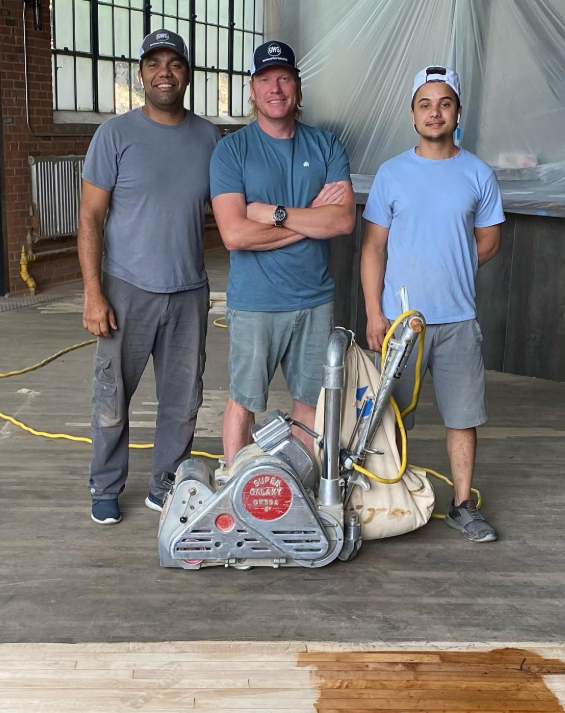
“Brandon and his team were incredibly precise. Our new hardwood floors look stunning.”

“Professional from start to finish. Subfloor prep was perfect, zero squeaks.”
“Best flooring contractor in Fairfield County. Highly recommended.”
SERVICE AREA
Serving Connecticut and Surrounding Areas
FAQHow long does hardwood floor refinishing take?
1
Many standard residential projects take several days depending on square footage, repairs, stain selection, and drying time between coats. Larger homes or darker stains may take longer.
Do I need to leave the house during refinishing?
2
Sometimes yes, sometimes no. It depends on the scope of work, number of rooms involved, ventilation, and finish type. Many homeowners prefer to be out during sanding and coating stages.
Is dustless sanding really dust-free?
3
No system is literally zero dust, but professional dust-containment equipment captures the vast majority of sanding dust and makes a major difference compared to older methods.
Can deep scratches be removed?
4
Often yes. If the damage is within the finish or shallow into the wood, sanding usually resolves it. Very deep gouges may require board repair or replacement.
Will refinishing remove pet stains?
5
Sometimes. Surface stains may sand out, but deep urine stains that penetrated the wood can require board replacement or patching.
Can engineered hardwood be refinished?
6
Yes, engineered hardwood can often be refinished, but it depends on the thickness of the wear layer. Thicker wear layers allow for one or more sandings, while thin layers may not withstand the process. A professional inspection is recommended before proceeding.
Who is the best floor refinishing company in Connecticut?
7
Eastwood Group, LLC has 10+ years of experience and a large portfolio of local work. Many companies refinish floors, but fewer specialize in proper floor refinishing services.
Your Floors Deserve a Real Answer, Not a Guess
If your hardwood looks tired, dated, or just not like itself anymore, the fastest way to know what it needs is to have someone actually look at it, not guess from a website.
Related Services: Hardwood Flooring Installation - Flooring Repair - Vinyl Flooring Installation - Epoxy Flooring

Free Estimate in 24h
Measurements and an honest recommendation, free of charge.