

Fine Sanding
Serving Westport, Weston, Fairfield and all of Fairfield County, CT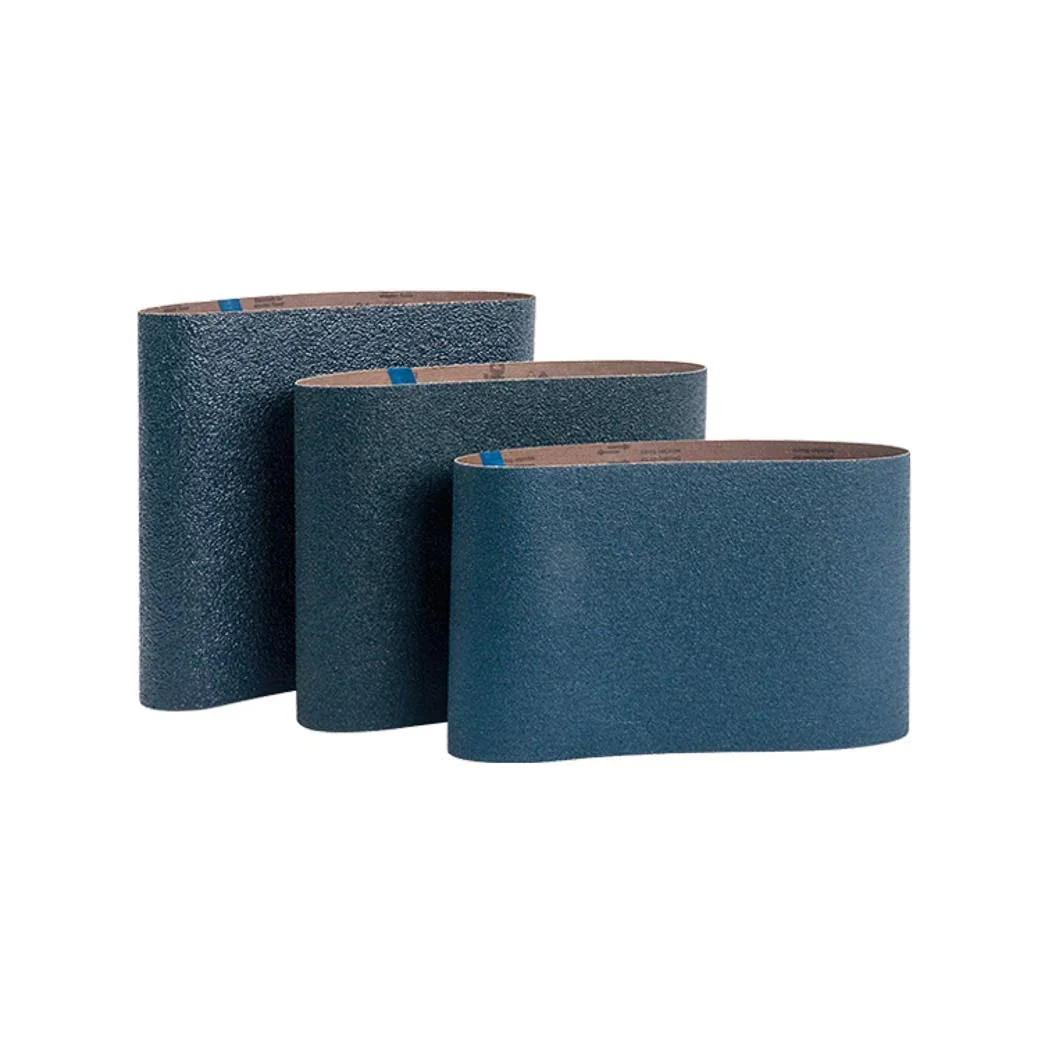
Why Floor Sanding Requires Multiple Grits
One of the biggest misconceptions homeowners have is assuming sanding is performed using a single abrasive.
In reality, professional floor sanding involves multiple sanding stages. Each grit serves a different purpose:
Removing old finishes
Flattening the floor
Refining the surface
Preparing for stain or finish
Skipping sanding stages is one of the most common reasons homeowners report poor refinishing results in online discussions.
Common Problems Faced During Floor Sanding
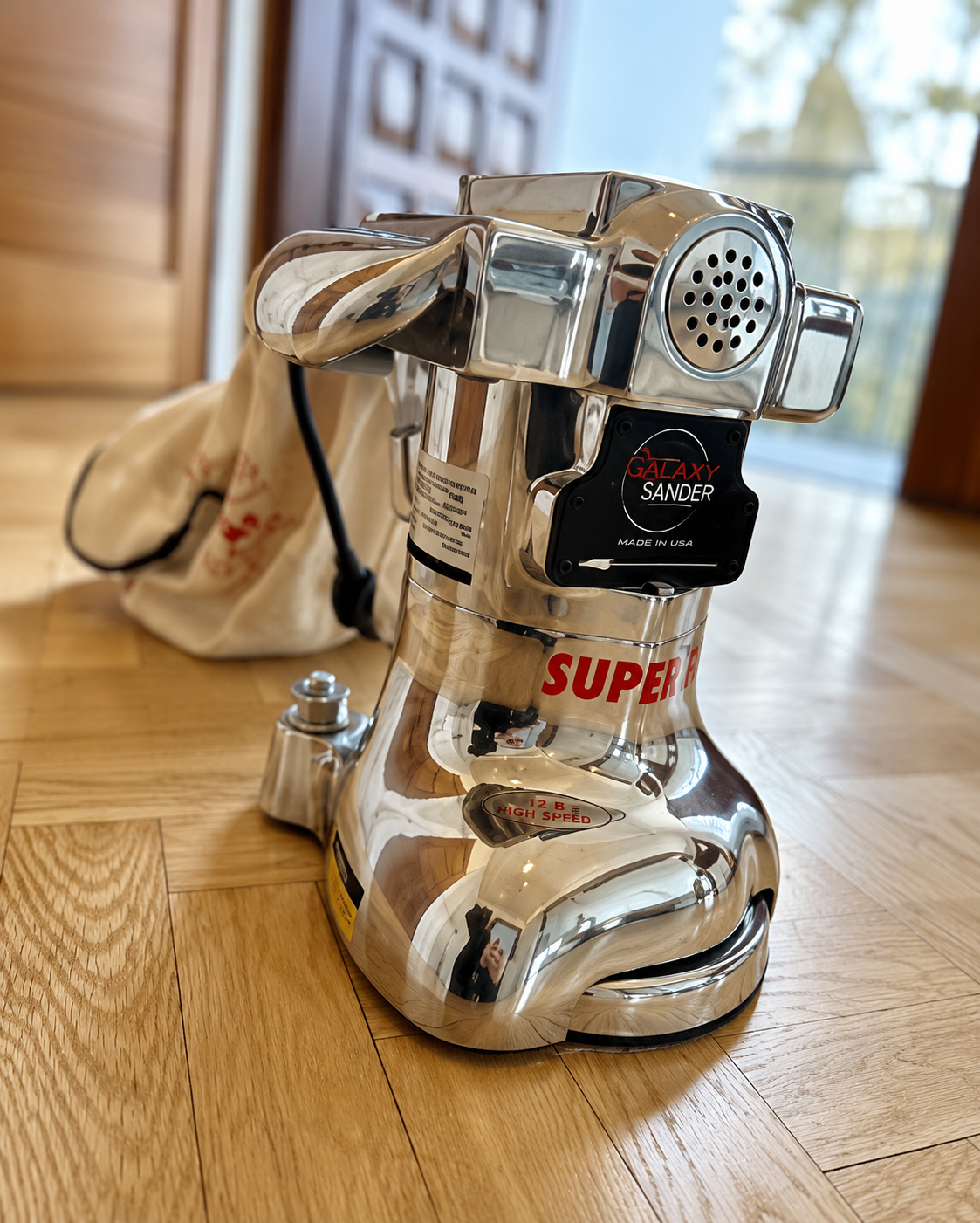
After over 1000 flooring projects completed, our expertise will prevent your project to face problems such as:
Swirl Marks and Sanding Patterns
Visible sanding marks are one of the most common complaints found in contractor reviews.
These marks often become more noticeable after stain is applied because the stain highlights imperfections left behind during sanding.
Uneven Stain Absorption
Wood that has not been sanded consistently may absorb stain differently across the floor.
This can create:
Dark patches
Light patches
Visible overlap lines
Uneven color variation
Proper sanding preparation helps reduce these issues.
Chatter Marks
Some homeowners researching floor refinishing discover chatter marks after a project is complete.
These small repetitive patterns can occur when sanding equipment is improperly operated or when floor conditions are not adequately addressed.
Remaining Scratches After Refinishing
Not every scratch automatically disappears during sanding.
Very deep damage may require repairs beyond standard sanding procedures.
Why Edge Sanding Matters
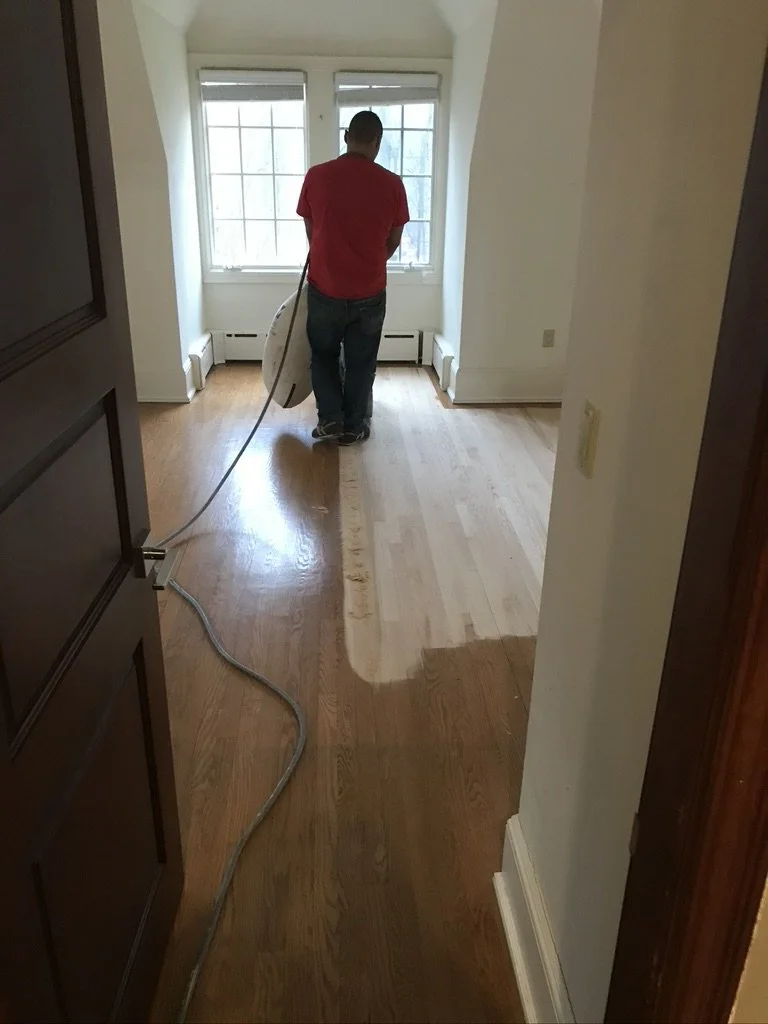
Many homeowners notice that floor edges sometimes look different from the center of the room after refinishing.
This usually happens because floor edges require separate sanding equipment and techniques.
Proper edge sanding helps:
Blend the perimeter
Remove finish consistently
Reduce visible transitions
Create a more uniform appearance
Attention to detail around walls, corners, and stair landings often separates average refinishing work from professional results.
Why Homeowners Invest in Professional Floor Sanding
Many homeowners researching sanding services are looking for a way to improve their floors without the cost of replacement.
Professional floor sanding can:
Restore worn hardwood
Remove surface damage
Prepare floors for staining
Improve finish quality
Extend floor lifespan
Refresh the appearance of the home
Because sanding affects every stage that follows, it remains one of the most important parts of a successful refinishing project.
FAQDoes floor sanding remove squeaks?
1
Not usually. Squeaks are typically caused by movement between the flooring, subfloor, or framing components beneath the floor. While some minor issues may be addressed during a refinishing project, sanding itself does not eliminate squeaky floors.
How long does floor sanding take?
2
The timeline depends on the size of the project, the condition of the floors, and whether staining and finishing are included. Most homeowners are surprised to learn that drying and curing times often take longer than the sanding itself.
Can engineered hardwood floors be sanded?
3
Some engineered hardwood floors can be sanded and refinished, but it depends on the thickness of the wear layer. Floors with a thicker hardwood veneer generally offer more refinishing potential than thinner products.
Sanding removes the old finish and exposes fresh wood underneath. Many homeowners are surprised by how much the wood's natural color differs from the appearance created by years of aging, sunlight exposure, and finish ambering.
Why do my floors look lighter after sanding?
4
Can floor sanding fix cupping or minor unevenness?
5
In some situations, sanding can help improve minor surface irregularities. However, if moisture problems are causing the floor movement, the underlying issue should be corrected before sanding is considered.
Should I move all furniture before floor sanding?
6
Yes. Floor sanding equipment requires full access to the flooring surface. Removing furniture, rugs, and other items helps ensure a more consistent sanding process and better overall results.
Is it normal to see gaps between boards after sanding?
7
Yes, in some cases. Sanding does not create gaps, but it can make existing seasonal movement and natural spacing between boards more noticeable, especially during dry winter months when wood contracts.
Complete Your Floor Sanding Project the Right Way
Professional fine sanding is one of the most effective ways to renew aging hardwood floors without the expense of replacement. By carefully removing surface wear, minor scratches, finish imperfections, and years of accumulated damage, fine sanding exposes fresh wood and creates a smooth, uniform surface ready for a new finish. Many homeowners are surprised by how dramatically their floors can improve after proper sanding, often restoring the natural beauty, color, and character that had been hidden beneath years of wear. When performed correctly, fine sanding not only improves appearance but also helps extend the lifespan of the flooring by preparing it for a durable new protective finish.
Service Areas
We provide baseboard installation as part of flooring projects throughout Fairfield County, including homes in Westport, Wilton, and Danbury, as well as surrounding Connecticut areas.
Free Estimate in 24h
Serving Westport, Weston, Fairfield and all of Fairfield County, CT