

Glue-Down Floors
Serving Westport, New Canaan, Darien and all of Fairfield County, CT
Why Choose Glue Down Flooring
Glue down flooring remains popular because it creates a secure and stable flooring system that performs well over time when installed correctly.
Homeowners often choose glue down flooring because:
It feels more solid underfoot
It reduces floor movement
It works well over concrete
It supports wide plank flooring
It performs well in modern homes
It offers strong long-term durability
Professional installation and proper moisture control play a major role in how well glue down flooring performs over the years.
Preventing Common Glue Down Flooring Problems
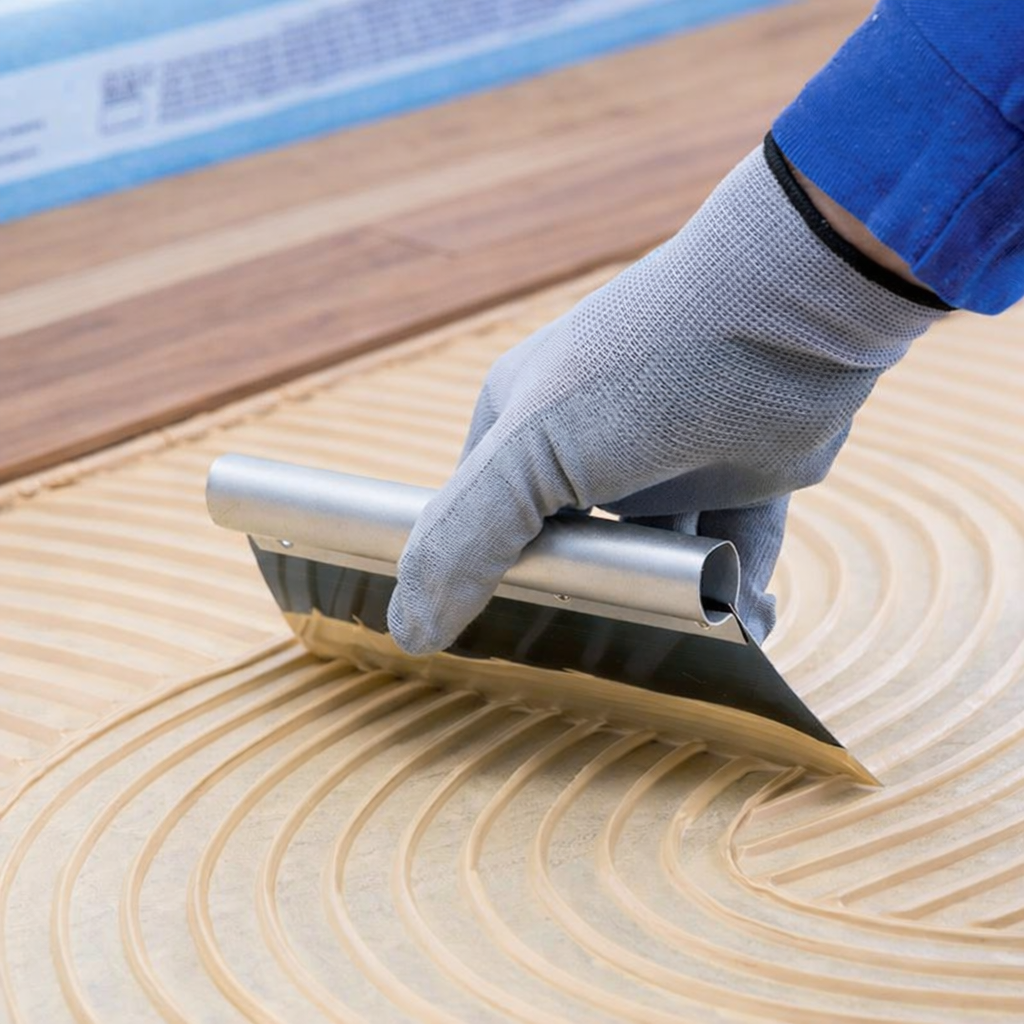
Proper preparation plays a major role in preventing common glue down flooring issues like hollow spots, loose planks, movement, or excessive gapping over time. Before installation begins, careful attention should be given to subfloor flatness, moisture conditions, acclimation, and adhesive selection to help ensure long-term floor stability.
Using high-quality adhesive systems with proper moisture protection and elasticity also helps reduce stress on the flooring as the home naturally expands and contracts throughout seasonal humidity changes. This becomes especially important with wide plank engineered hardwood, glue down vinyl flooring, and large open floor layouts where floor movement is more noticeable.
A properly prepared subfloor and professional adhesive application help create a more stable, durable, and consistent glue down flooring system.
Glue Down Flooring Over Concrete
Concrete subfloors are one of the most common reasons homeowners choose glue down flooring systems. However, moisture testing becomes extremely important before installation begins. Excess moisture inside concrete slabs can eventually cause:
Adhesive breakdown
Plank movement
Cupping
Mold concerns
Flooring separation
Professional moisture evaluation and moisture barrier systems help reduce these risks significantly.
Why Adhesive Quality Matters
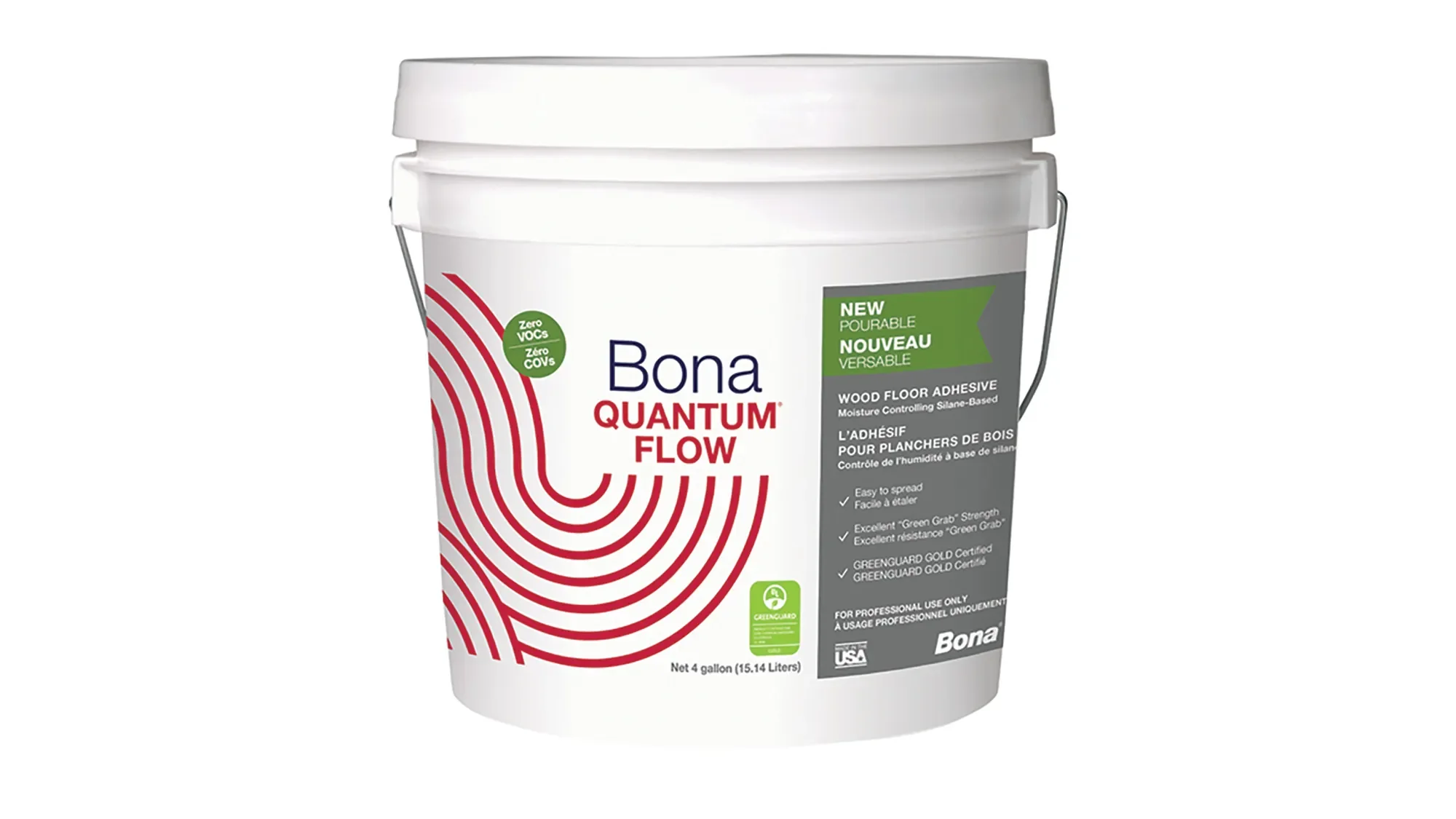
The adhesive underneath a glue down floor plays a major role in how the flooring performs over time. Many common problems homeowners experience, including hollow spots, loose planks, movement, or adhesive failure, are often caused by poor moisture control or low-quality adhesive systems.
A high-quality flooring adhesive should provide:
Moisture protection for concrete subfloors
Elasticity to allow natural floor movement
Proper density for smooth and consistent troweling
Strong long-term bonding performance
This becomes especially important with wide plank engineered hardwood, glue down vinyl flooring, and large open floor plans where floor stability is critical.
Trusted Glue Brands
-
![Bona Flooring Adhesive]()
Bona
-
![Mapei flooring adhesive]()
Mapei
-
![bostik flooring adhesive]()
Bostik
-
![Sika flooring adhesive]()
Sika
Explore Glue Down Flooring Options
Whether you are considering glue down engineered hardwood, solid hardwood, or luxury vinyl flooring, choosing the right flooring material and installation system can significantly affect long-term durability and appearance.
From modern wide plank hardwood floors to durable vinyl flooring systems, glue down flooring continues to be one of the most reliable installation methods for homeowners looking for long-term floor stability and performance.
Service Areas
We provide glue-down installation as part of flooring expertise throughout Fairfield County, including homes in Westport, New Canaan, and Norwalk, as well as surrounding Connecticut areas.
Related Services: Solid wood floor installation, Engineered wood floor installation, Nail-down, Wide plank, Herringbone, Parquet, Baseboard, Maintenance and Custom layouts.
FAQIs glue down flooring better than floating floors?
1
Glue down flooring typically feels more solid and stable underfoot compared to floating floors. Many homeowners prefer glue down installation for engineered hardwood and vinyl flooring because it reduces movement, minimizes hollow sounds, and performs well in large open spaces.
Can engineered hardwood be glued directly to concrete?
2
Yes, engineered hardwood is commonly installed over concrete using glue down installation methods. However, proper moisture testing is extremely important before installation because excess moisture in the slab can eventually cause adhesive failure or floor movement.
Why does my glue down floor sound hollow in some areas?
3
Hollow sounds are often caused by uneven subfloors, poor adhesive transfer, or insufficient adhesive coverage beneath the flooring. Small isolated hollow areas can sometimes occur, but widespread hollow sounds may indicate installation or subfloor preparation problems.
Is glue down vinyl flooring waterproof?
4
The vinyl material itself is highly water resistant, but moisture can still affect the adhesive and subfloor underneath if proper moisture protection is not used during installation. This is especially important in basements and concrete slab homes.
Do glue down floors move less than floating floors?
5
In most cases, yes. Because the flooring is directly adhered to the subfloor, glue down floors generally experience less movement and shifting compared to floating flooring systems.
What type of adhesive is used for glue down flooring?
6
Professional flooring adhesives are selected based on the flooring material, subfloor type, and moisture conditions. High-quality adhesives are designed to provide strong bonding, moisture protection, flexibility, and long-term durability.
Why is moisture testing important before glue down flooring installation?
7
Moisture testing helps identify excess moisture inside the subfloor before installation begins. Skipping this step can eventually lead to adhesive failure, loose planks, cupping, or flooring separation, especially over concrete slabs.
Free Estimate in 24h
Serving Westport, Greenwich, Norwalk and all of Fairfield County, CT