

Subfloor Preparation Services
Serving Westport, Darien, Wilton and all of Fairfield County, CT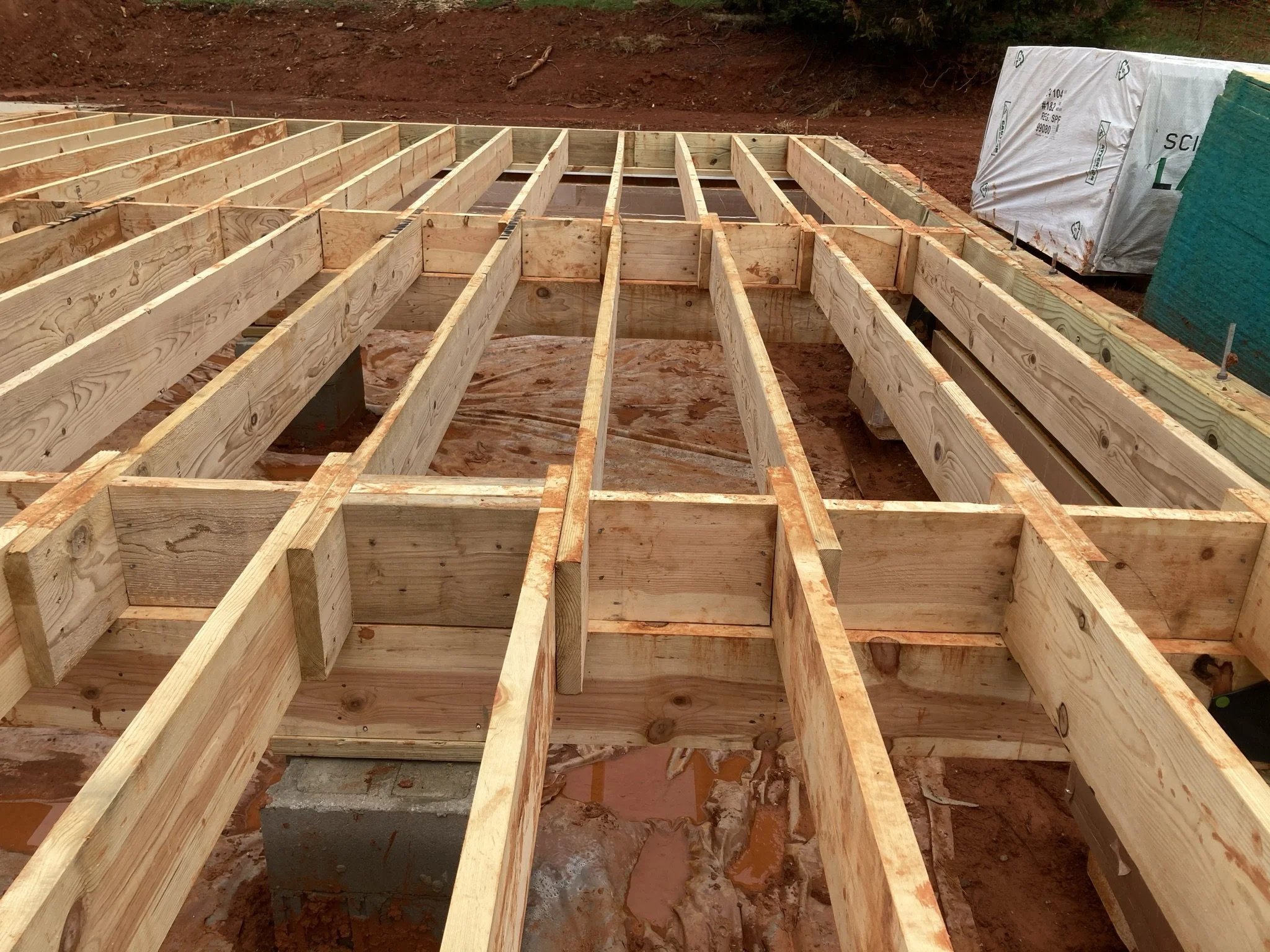
When Subfloor Preparation Becomes Necessary
Uneven Floors Under New Flooring
Planks feel hollow, vinyl clicks when walked on, furniture rocks, or sunlight reveals waves across the floor. In many cases, the finished flooring is simply following an uneven surface below.
Squeaks, Movement, or Soft Spots
If the floor moves when walked on, squeaks loudly, or feels soft in certain areas, the subfloor may have loose panels, damaged sections, or structural movement underneath.
Water Damage Below the Surface
Leaks from appliances, bathrooms, basements, or entryways often damage the subfloor before the finished floor shows clear signs. Swollen plywood, mold concerns, softness, and odor are all common warning signs.
Cracks or Moisture in Concrete Slabs
Concrete subfloors may look solid but still have cracks, moisture vapor, old adhesive residue, or low spots that interfere with proper installation.
Concrete Subfloors
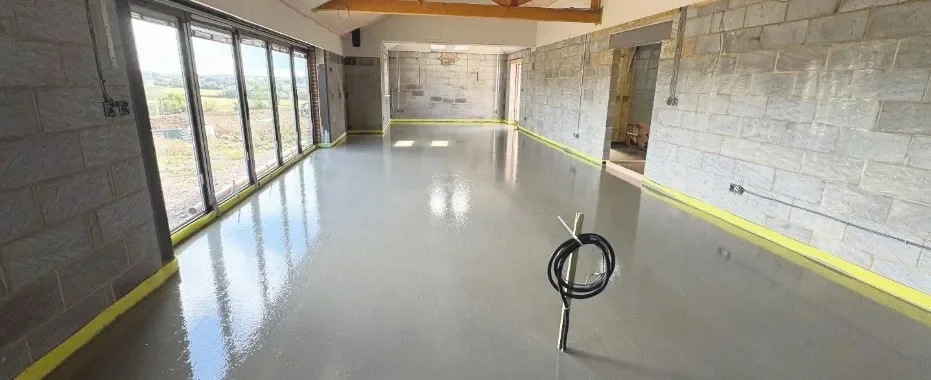
Concrete subfloors are common in basements, garages, condos, and slab-built homes. While they appear solid, they often need preparation before new flooring is installed.
The most common issues are moisture, cracks, and uneven surfaces. Concrete can release moisture vapor even when it looks dry, which may cause adhesive failure, shifting planks, or odors. Low spots, ridges, patch marks, and rough texture can also affect the finished result.
Proper concrete preparation may include moisture testing, grinding, crack repair, patching, adhesive removal, and leveling compounds. The goal is a clean, stable surface ready for flooring.
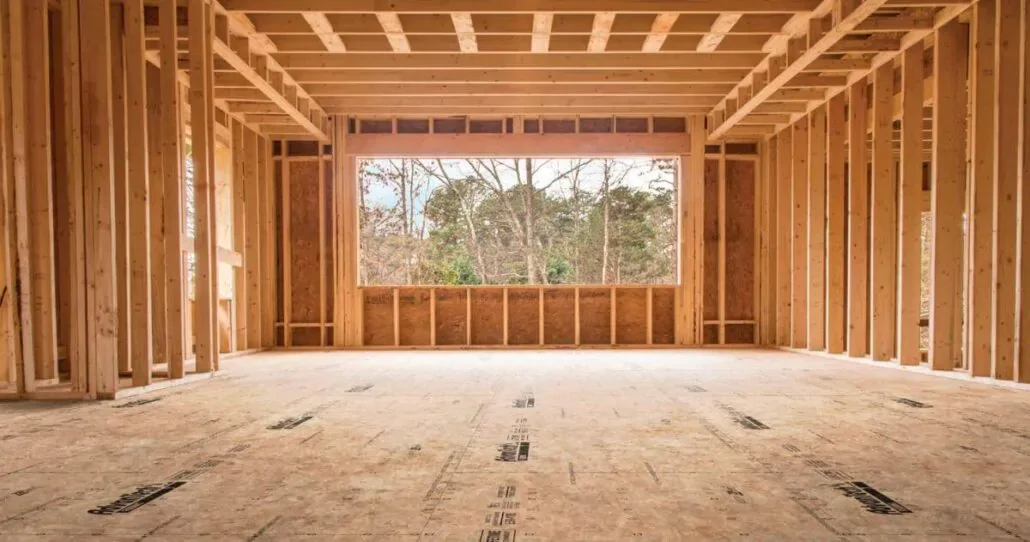
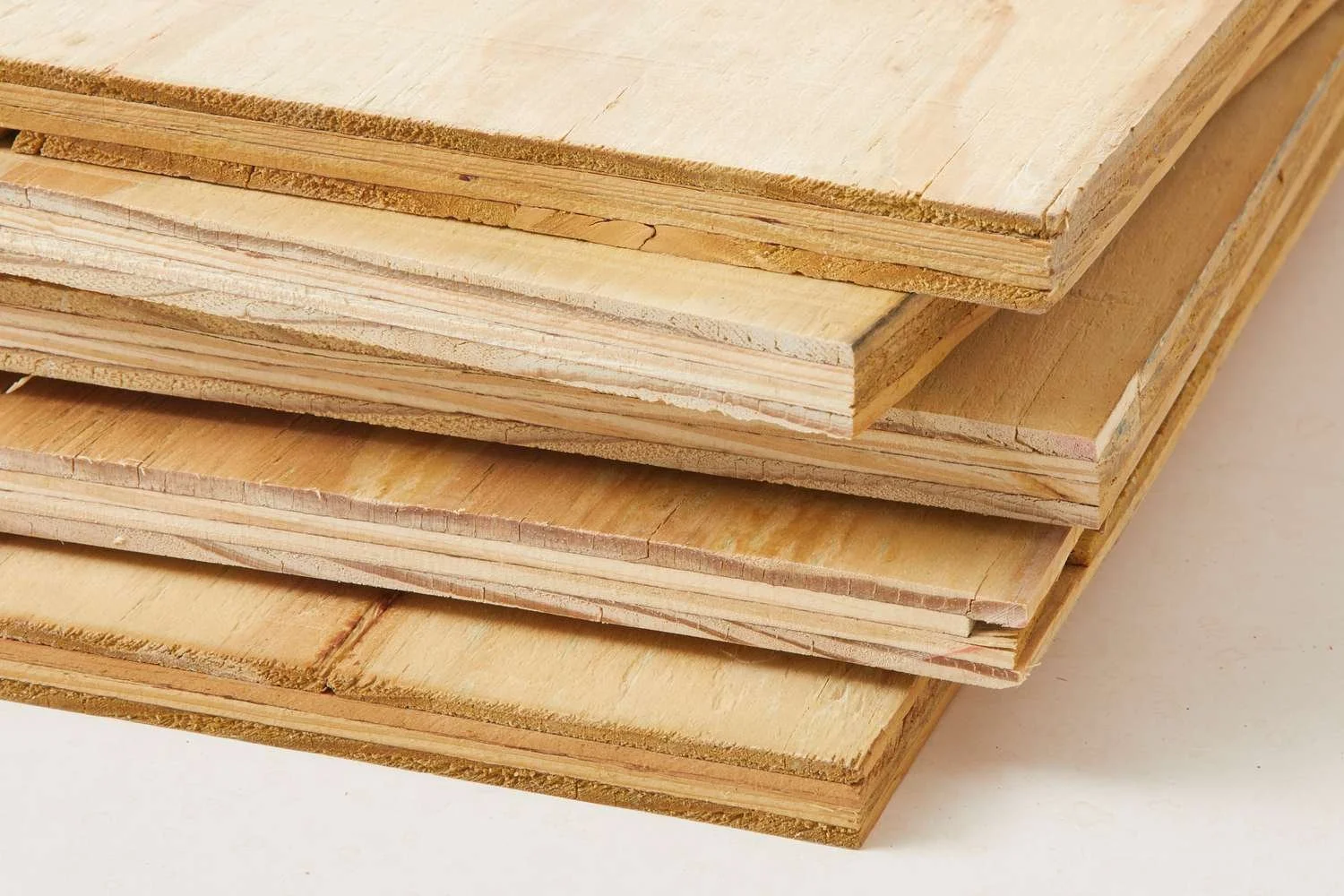
Plywood Subfloors
Plywood subfloors are common in residential homes, especially upper levels and homes over basements or crawlspaces. They perform well when stable, but over time they often develop movement-related issues.
Squeaks are one of the most common complaints and usually come from loose panels or friction against framing below. Raised seams, soft spots, and water damage near kitchens, bathrooms, or appliances are also common.
Preparation may include refastening loose panels, replacing damaged areas, sanding seams, patching low spots, or adding underlayment. Many noisy or uneven floors are caused by unresolved plywood problems underneath.
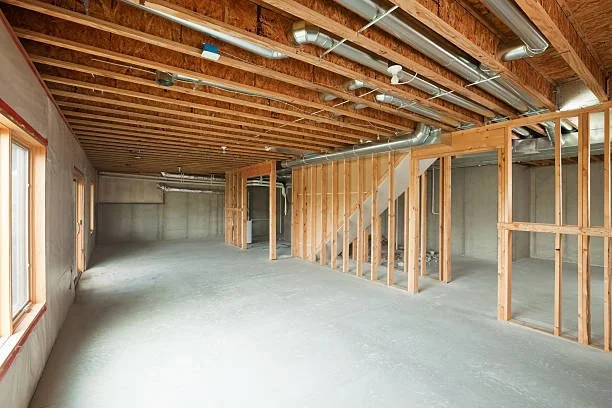
Wood Beam and Joist Subfloors
Sometimes the issue is not the subfloor panel, but the structure supporting it. Many older homes in Westport, Norwalk, Darien, and throughout Fairfield County have wood beam and joist systems that shift over time.
Homeowners often describe these floors as sloped, bouncy, springy, or uneven. Dips, movement, and recurring squeaks are common signs of structural wear or settling.
These problems may come from undersized joists, long spans, moisture damage, aging materials, or past modifications. Proper correction may involve reinforcing joists, adding blocking, sistering framing members, or stabilizing sagging areas before flooring installation begins.
How Subfloor Preparation Protects Your Flooring
Proper subfloor preparation helps:
Create a flatter, more stable surface
Reduce movement and squeaks
Improve adhesion for glue-down flooring
Protect against premature wear
Prevent visible ridges or dips
Improve transitions between rooms
Support manufacturer installation standards
Skipping preparation often saves money only at the beginning.
Floor Leveling Services
One of the most searched and discussed flooring topics is leveling.
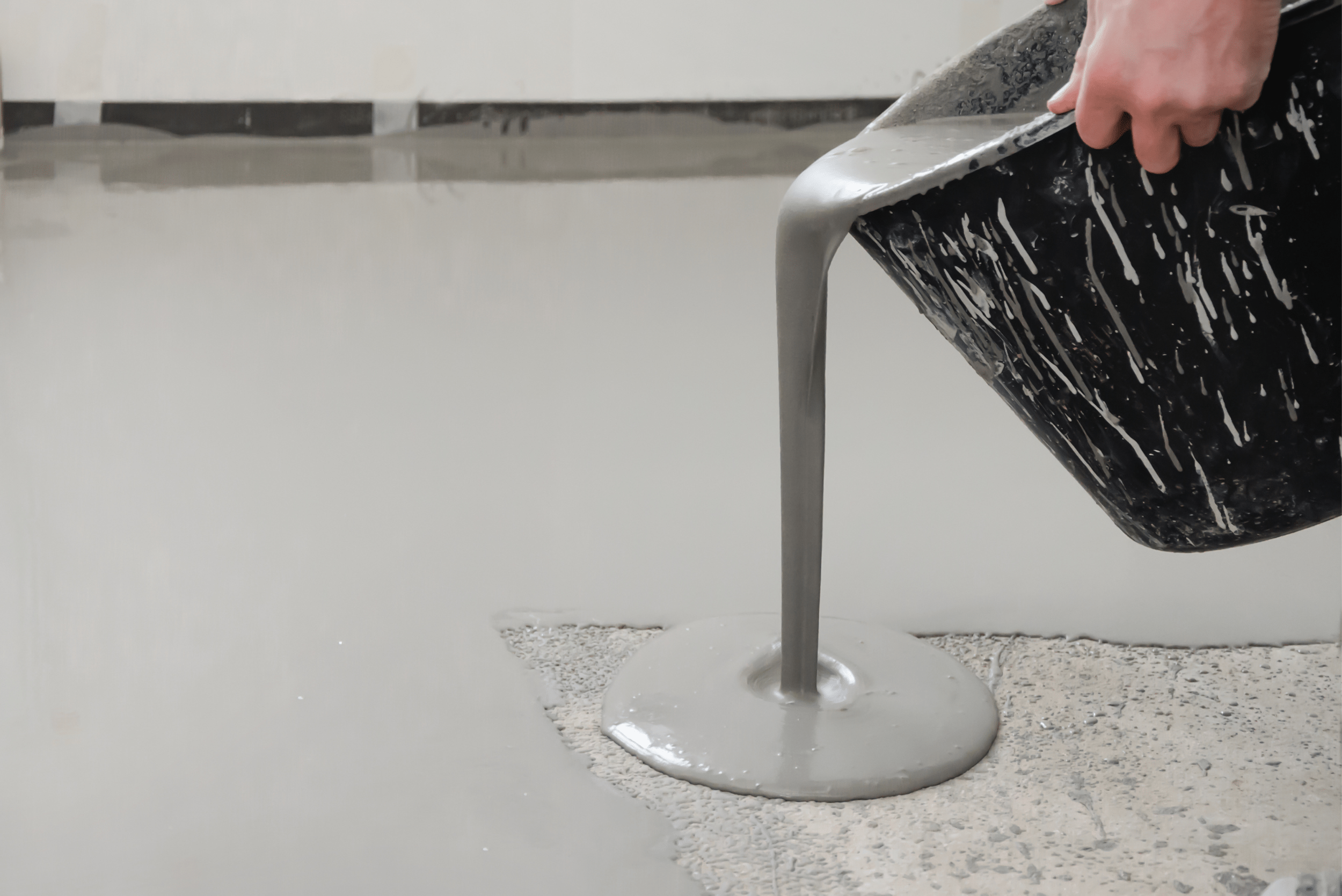
A floor can be slightly out of level in an older home and still accept flooring if it is structurally sound and flat enough. However, sharp dips, ridges, or waves usually need correction.
We address leveling through:
Self-leveling compounds
Grinding high spots
Patching low areas
Joist correction where needed
Underlayment systems
The right method depends on the cause of the problem.
Subfloor Materials
-
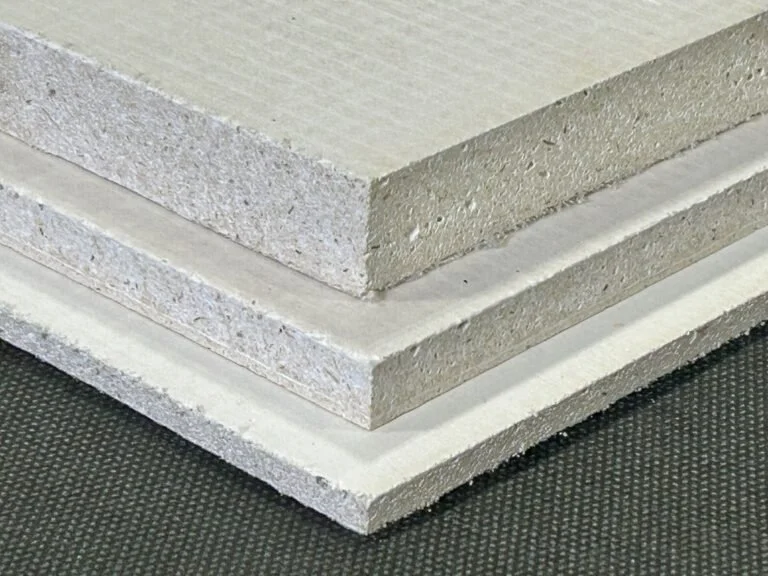
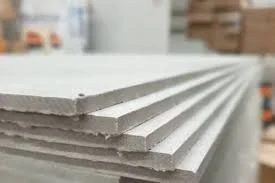
![MGO Panels]()
MGO Panels
-
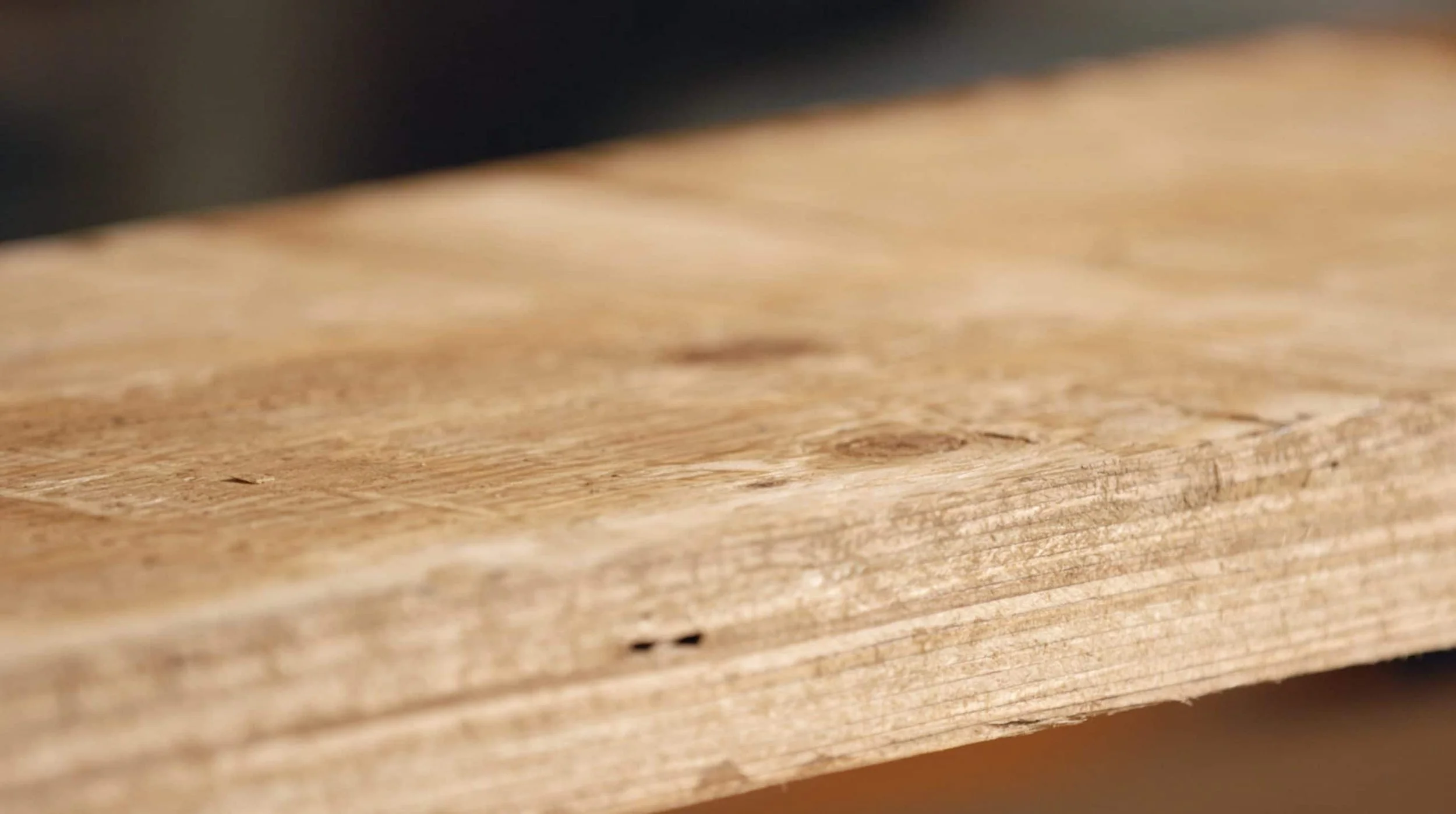
![Plywood]()
Plywood
-
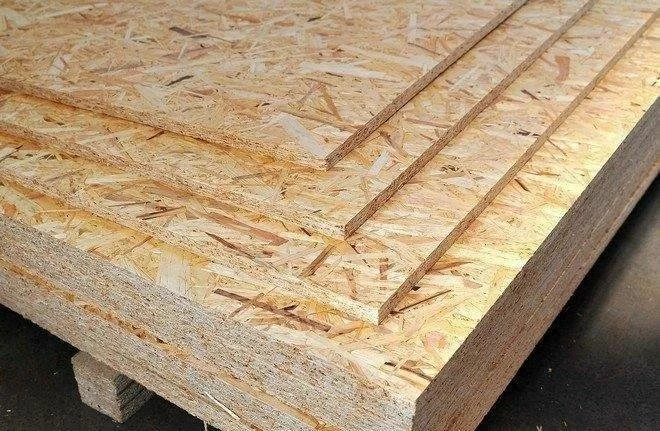
![Oriented Strand Board]()
Oriented Strand Board
-
![Concrete]()
Concrete
-
![Cement Board]()
Cement Board
-
![Engineered wood panel]()
Engineered Wood Panels
FAQHow do I know what type of subfloor I have?
1
It often depends on the age of the home, how it was built, and what level of the house you are on. Basements commonly have concrete slabs, while upper floors often have plywood over joists. A professional inspection can confirm the structure quickly.
Is concrete better than plywood as a subfloor?
2
Not automatically. Concrete is strong and stable, but moisture can be a major concern. Plywood is versatile and common in homes, but movement and squeaks are more common. Each type has strengths and requires proper preparation.
Why does my floor bounce if the plywood looks fine?
3
Because the movement may be coming from the joists or framing below the plywood. The visible panel is not always the source of the issue.
Can damaged plywood be repaired without replacing everything?
4
Often yes. Localized damaged sections can sometimes be replaced while keeping the rest intact, depending on the extent of the problem.
Does cracked concrete mean I need a new slab?
5
Usually no. Many cracks can be managed or repaired depending on whether they are cosmetic or actively moving. Evaluation matters.
Do older homes usually have joist issues?
6
Not always, but older homes are more likely to have settling, framing changes, or decades of wear that affect floor performance.
Is subfloor preparation really necessary?
7
If there are signs of movement, unevenness, moisture, or damage, yes. It is often the difference between a floor that lasts and one that disappoints early.
Complete Your Flooring Project the Right Way
The visible floor gets the credit, but the hidden floor underneath determines whether the project succeeds.
If you are planning hardwood, vinyl, tile, or coatings, subfloor preparation should be part of the plan.
Get a professional evaluation and make sure your flooring project is built on the right foundation.
Service Areas
We provide subfloor preparation services throughout Fairfield County, including homes in Westport, Wilton, and Fairfield, as well as surrounding Connecticut areas.
Related Services: Hardwood flooring installation, Vinyl flooring installation, Epoxy floor coating and Flooring Repair.
Free Estimate in 24h
Serving Westport, Greenwich, Norwalk and all of Fairfield County, CT